

Leather Workshop Experiences: Join a DIY Leather Workshop in Mulgrave

Leather crafting offers a unique blend of tradition and creativity. It is a hands-on way to connect with a timeless craft. I recently took part in a leather workshop that changed how I view handmade goods. The experience was straightforward, practical, and rewarding. For those interested in leatherwork, Mulgrave hosts a diy leather workshop mulgrave that stands out for its quality and approach.
What to Expect from Leather Workshop Experiences
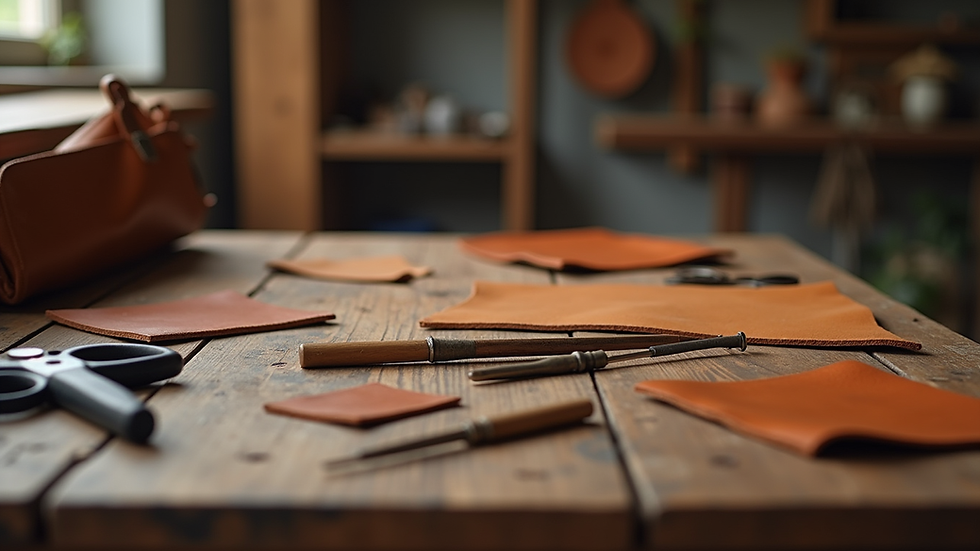
Leather workshops focus on teaching basic to advanced skills. You learn to handle leather, tools, and techniques. The sessions are usually small, allowing for personal guidance. The environment is calm and focused. You work on projects like wallets, belts, or key holders. These projects are simple but teach essential skills.
The workshop provides all materials. You do not need prior experience. The instructor guides you step-by-step. You learn to cut, stitch, and finish leather pieces. The pace suits beginners and those with some experience. The goal is to create something useful and personal.
Workshops also cover leather types and care. Understanding leather quality helps in future projects. You gain insight into the craft’s history and modern applications. This knowledge adds depth to the hands-on work.

Why Choose a Leather Workshop in Mulgrave
Mulgrave offers a quiet, accessible location for creative workshops. The local workshop focuses on premium leather and craftsmanship. It is not just about making items but about appreciating the craft. The instructors are skilled artisans who share their knowledge clearly.
The workshop space is well-equipped and organised. It encourages focus and creativity. The atmosphere is relaxed, with minimal distractions. This setting suits those who want to learn without pressure.
The community aspect is subtle but present. You meet others who value quality and handmade goods. This connection can lead to further learning and collaboration. The workshop is a starting point for deeper involvement in leathercraft.
What are the top 10 essential tools for leathercraft?
Leathercraft requires specific tools. Knowing these tools helps you understand the workshop process and what to expect if you continue at home.
Cutting Mat - Protects surfaces and ensures clean cuts.
Utility Knife or Rotary Cutter - For precise leather cutting.
Ruler and Measuring Tools - Accuracy is key in leatherwork.
Edge Beveler - Rounds off leather edges for a finished look.
Stitching Awl - Makes holes for hand stitching.
Needles and Thread - Heavy-duty for leather stitching.
Mallet or Hammer - Used to set rivets and stamps.
Leather Punch - Creates holes for buckles or laces.
Burnishing Tool - Smooths and seals edges.
10. Leather Dye and Finish - Adds colour and protection.
These tools form the foundation of leathercraft. The workshop provides them, so you focus on learning techniques.
How to Prepare for Your First Leather Workshop
Preparation is minimal but important. Wear comfortable clothes that you do not mind getting a little dusty. Leather dust is harmless but can stick to fabric. Bring a notebook if you want to jot down tips or measurements.
Arrive on time to settle in and meet the instructor. Ask questions about the project and tools. The workshop usually provides all materials, but confirm this beforehand.
Set realistic goals. The first project is about learning, not perfection. Focus on technique and understanding the process. Take your time with each step.
Tips for Continuing Leathercraft After the Workshop
After the workshop, practice is key. Start with small projects to build confidence. Use the tools and techniques learned to explore new designs.
Join online forums or local groups to share progress and get advice. Many leathercraft communities offer support and inspiration.
Invest gradually in your own tools. Begin with essentials like a cutting mat, knife, and needles. Quality tools improve results and enjoyment.
Consider sourcing leather from reputable suppliers. Different types of leather behave differently. Experimenting helps you find what suits your style.
Keep a project journal. Record what works and what does not. This habit speeds up learning and improves skills.

Expanding Your Craft: Beyond the Workshop
Leatherwork can grow into a serious hobby or even a small business. Many start by making gifts or personal items. Over time, skills improve, and projects become more complex.
Custom pieces have a market. Handmade leather goods appeal to those who value quality and uniqueness. Learning to design and craft your own items opens opportunities.
Workshops like the one in Mulgrave provide a solid foundation. They teach not just skills but also respect for materials and process. This foundation is essential for anyone serious about leathercraft.
Joining a diy leather workshop mulgrave is a practical step. It offers hands-on experience and expert guidance. The skills gained are transferable and lasting.
Leather crafting is a quiet, focused art. It rewards patience and attention to detail. For those who appreciate quality and craftsmanship, it offers a meaningful creative outlet.


Comments