

Couple Leather Pencil Case Classes: Crafting with Precision and Care

Leather crafting offers a unique blend of tradition and creativity. It demands attention to detail and rewards with durable, elegant results. Among the many projects, leather pencil cases stand out for their practicality and style. They make excellent gifts and personal accessories. Attending leather pencil case classes provides hands-on experience and a chance to master this craft.
Exploring Leather Pencil Case Classes
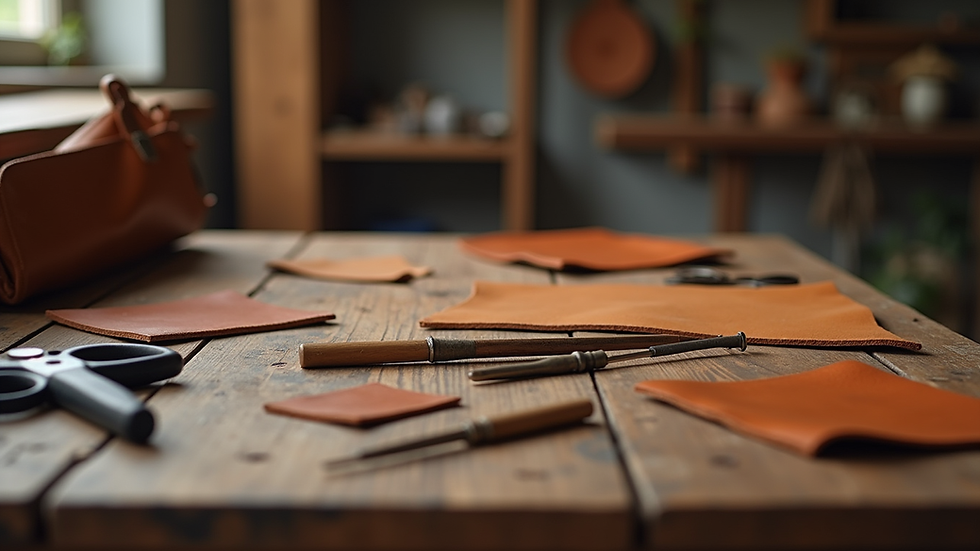
Leather pencil case classes focus on teaching the skills needed to create a functional and refined product. These classes cover the basics of leather selection, cutting, stitching, and finishing. Participants learn to handle tools such as rotary cutters, needles, and edge bevelers. The process is methodical and requires patience.
Classes often start with choosing the right leather. Full-grain or top-grain leather is preferred for durability and appearance. Students then measure and cut patterns, ensuring precision. Stitching follows, typically using saddle stitch for strength. Finally, edges are burnished and treated for a polished look.
The environment is calm and focused. Instructors guide each step, offering tips and corrections. The pace suits beginners and those with some experience. By the end, attendees leave with a custom-made leather pencil case and new skills.

Benefits of Attending Leather Pencil Case Classes
Leather pencil case classes offer more than just a finished product. They provide a deeper understanding of leatherwork. This knowledge can be applied to other projects, from wallets to bags. The classes also encourage mindfulness and precision.
Participants gain:
Skill development: Learn cutting, stitching, and finishing techniques.
Creative expression: Choose leather types, colours, and designs.
Quality craftsmanship: Produce durable, elegant items.
Community connection: Meet others who share an interest in leathercraft.
The classes suit couples, friends, or individuals. They foster collaboration and shared accomplishment. For example, a couple can attend a couple leather pencil case class to create matching cases. This shared experience strengthens bonds and creates lasting memories.
What do Americans call a pencil case?
In the United States, a pencil case is commonly referred to as a "pencil pouch" or simply a "pencil case." The term "pencil pouch" often implies a soft, flexible container, while "pencil case" can refer to both hard and soft containers used to store writing instruments. The terminology varies slightly by region and personal preference but generally, both terms are understood.
Materials and Tools Used in Leather Pencil Case Classes
Understanding the materials and tools is essential for success in leather crafting. Classes provide access to quality supplies, but knowing what to expect helps prepare.
Materials
Leather: Full-grain or top-grain leather is standard. Thickness ranges from 1.0 to 1.5 mm for pencil cases.
Thread: Waxed polyester or nylon thread ensures durability.
Edge finishers: Burnishing tools and edge paint create smooth edges.
Hardware: Zippers, snaps, or buttons may be included depending on design.
Tools
Cutting tools: Rotary cutters, knives, or scissors.
Stitching tools: Needles, stitching awls, and pricking irons.
Measuring tools: Rulers, squares, and templates.
Finishing tools: Edge bevelers, burnishers, and sandpaper.
Classes teach proper tool handling and maintenance. This knowledge prevents mistakes and extends tool life.

Tips for Making the Most of Leather Pencil Case Classes
To get the best from these classes, consider the following:
Prepare in advance: Familiarise yourself with basic leather terms and tools.
Ask questions: Instructors are valuable resources.
Take notes: Document techniques and tips.
Practice patience: Leatherwork requires steady hands and time.
Experiment with designs: Use the class as a chance to try new ideas.
Bring your own tools: If allowed, familiar tools can improve comfort.
Engage with peers: Sharing experiences enriches learning.
These steps enhance the experience and build confidence for future projects.
Beyond the Class: Continuing Leather Crafting
Completing a leather pencil case class is just the beginning. The skills learned open doors to more complex projects. Many enthusiasts progress to making wallets, belts, or bags. Each project builds on previous knowledge.
Joining a community of leather crafters provides support and inspiration. Workshops, online forums, and local meetups offer opportunities to share work and learn new techniques. Investing in quality tools and materials ensures better results.
For those interested in custom pieces, understanding leatherwork adds appreciation for craftsmanship. It also allows for personalisation and repair of leather goods.
Leather pencil case classes are a practical entry point into this rewarding craft. They combine skill-building with creativity and produce a tangible, useful item.
Leather crafting is a skill that blends tradition with personal expression. Attending leather pencil case classes offers a structured way to learn and create. The process is deliberate and satisfying. Whether for personal use or as a gift, a handmade leather pencil case carries value beyond its function. It reflects care, skill, and a connection to craft.


Comments