

Hosting a DIY Leather Workshop in Mulgrave - A DIY Leather Workshop Guide

Leathercraft offers a unique blend of tradition and creativity. It demands patience, precision, and a steady hand. Hosting a DIY leather workshop in Mulgrave provides an opportunity to explore this craft firsthand. It is a chance to learn, create, and appreciate the art of leatherwork.
Planning Your DIY Leather Workshop Guide
Start with a clear plan. Define the workshop’s scope and objectives. Decide on the type of leather goods participants will make. Wallets, keychains, or simple cardholders are good beginner projects. They require basic skills and tools.
Choose a suitable venue in Mulgrave. It should be spacious enough for workstations and comfortable seating. Good lighting is essential. Leatherwork involves detailed tasks that require clear visibility.
Set a date and time that suits your target audience. Weekends or evenings often work best. Keep the group size manageable. Around 6 to 10 participants allows for individual attention.
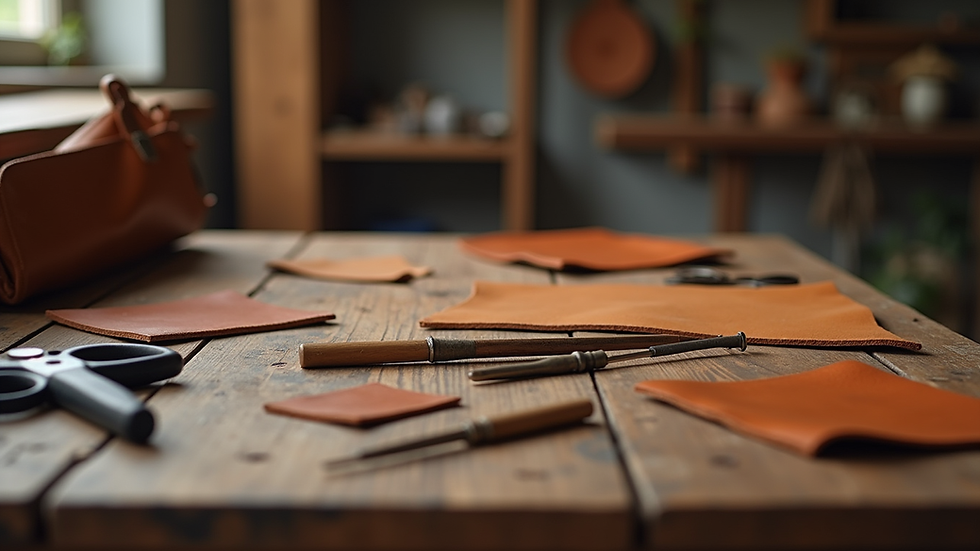
Prepare a list of materials and tools. Provide high-quality leather and hardware. Offer a variety of colours and textures to inspire creativity. Ensure all tools are safe and in good condition.
Promote the workshop through local channels. Flyers, social media, and community boards can help reach interested individuals. Use clear, direct language to describe the workshop’s benefits and what participants will learn.
Setting Up the Workshop Space
Organise the space for efficiency and comfort. Arrange tables with enough room for tools and materials. Provide cutting mats to protect surfaces. Ensure each station has adequate lighting.
Create a welcoming atmosphere. Minimal decoration keeps the focus on the craft. Background music at a low volume can enhance the experience without distraction.
Prepare safety instructions. Leatherworking involves sharp tools and dyes. Brief participants on proper handling and precautions. Have first aid supplies on hand.
Display examples of finished leather goods. This sets expectations and inspires participants. Include a range of styles and techniques to showcase possibilities.

What are the top 10 essential tools for leathercraft?
Leathercraft requires specific tools. Here are the top 10 essentials for a DIY leather workshop:
Cutting Mat - Protects surfaces and provides a stable cutting base.
Utility Knife or Rotary Cutter - For precise leather cutting.
Ruler and Measuring Tape - Ensures accurate measurements.
Edge Beveler - Smooths and rounds leather edges.
Leather Punch - Creates holes for stitching or hardware.
Stitching Needles - Special needles designed for leather.
Thread - Strong, waxed thread suited for leather stitching.
Mallet or Hammer - Used to set rivets and stamps.
Stamps and Tools for Decoration - Adds patterns or logos.
10. Burnishing Tool - Polishes edges for a finished look.
Having these tools ready allows participants to focus on learning techniques rather than searching for equipment.
Teaching Techniques and Managing the Workshop
Start with a brief introduction to leather types and properties. Explain the tools and their uses. Demonstrate basic techniques step-by-step.
Encourage participants to ask questions. Offer hands-on guidance as they work on their projects. Keep instructions clear and concise.
Break the workshop into stages:
Measuring and cutting leather
Punching holes
Stitching pieces together
Adding hardware and finishing touches
Allow time for practice and correction. Some may need extra help with stitching or edge finishing.
Maintain a calm, focused environment. Avoid rushing. Quality craftsmanship takes time.

Finalising Projects and Next Steps
Once projects are complete, review each piece. Offer constructive feedback on technique and finish. Highlight strengths and suggest improvements.
Discuss care and maintenance of leather goods. Explain how to clean, condition, and store items to ensure longevity.
Provide resources for further learning. Recommend books, online tutorials, or local suppliers.
Invite participants to join a community of leathercraft enthusiasts. This fosters ongoing engagement and skill development.
For those interested in more advanced workshops or custom pieces, mention opportunities available at Suigeneris Atelier.
If you want to explore this craft in a hands-on setting, consider joining a diy leather workshop mulgrave. It offers a practical, immersive experience.
Building a Community Around Leathercraft
Hosting a workshop is more than teaching skills. It is about creating a space for shared passion. Encourage participants to connect and share their work.
Organise follow-up meetups or online groups. Share tips, challenges, and successes. This builds a supportive network.
Offer exclusive workshops or events for returning members. Introduce new techniques or materials to keep interest alive.
A strong community enhances the value of the craft. It turns a hobby into a lifestyle.
Hosting a DIY leather workshop in Mulgrave is a rewarding endeavour. It combines practical skills with creative expression. With careful planning and clear instruction, it can inspire a new generation of leathercraft enthusiasts.


Comments